Clean Air for Kids: How One Mother's Concern Grew Into a Movement for Cleaner Classrooms
Children in England spend close to 190 days a year sitting in a classroom, and almost nobody checks the air they're breathing whilst they're there.
In general, indoor air quality in schools is something most countries barely measure, let alone talk about, even though kids spend more of their waking hours there than almost anywhere else outside home.
Ruth Brooker, founder of Clean Air for Kids, a not-for-profit campaign bringing cleaner air into UK classrooms, started asking questions for a much more personal reason. She wanted to know whether the air her children were breathing in their classrooms was actually safe. That concern turned into something bigger. The campaign now works directly with schools, lobbies for policy change, and taps into creative approaches to spread its advocacy. I recently had the opportunity to interview Ruth to hear how it all came together.
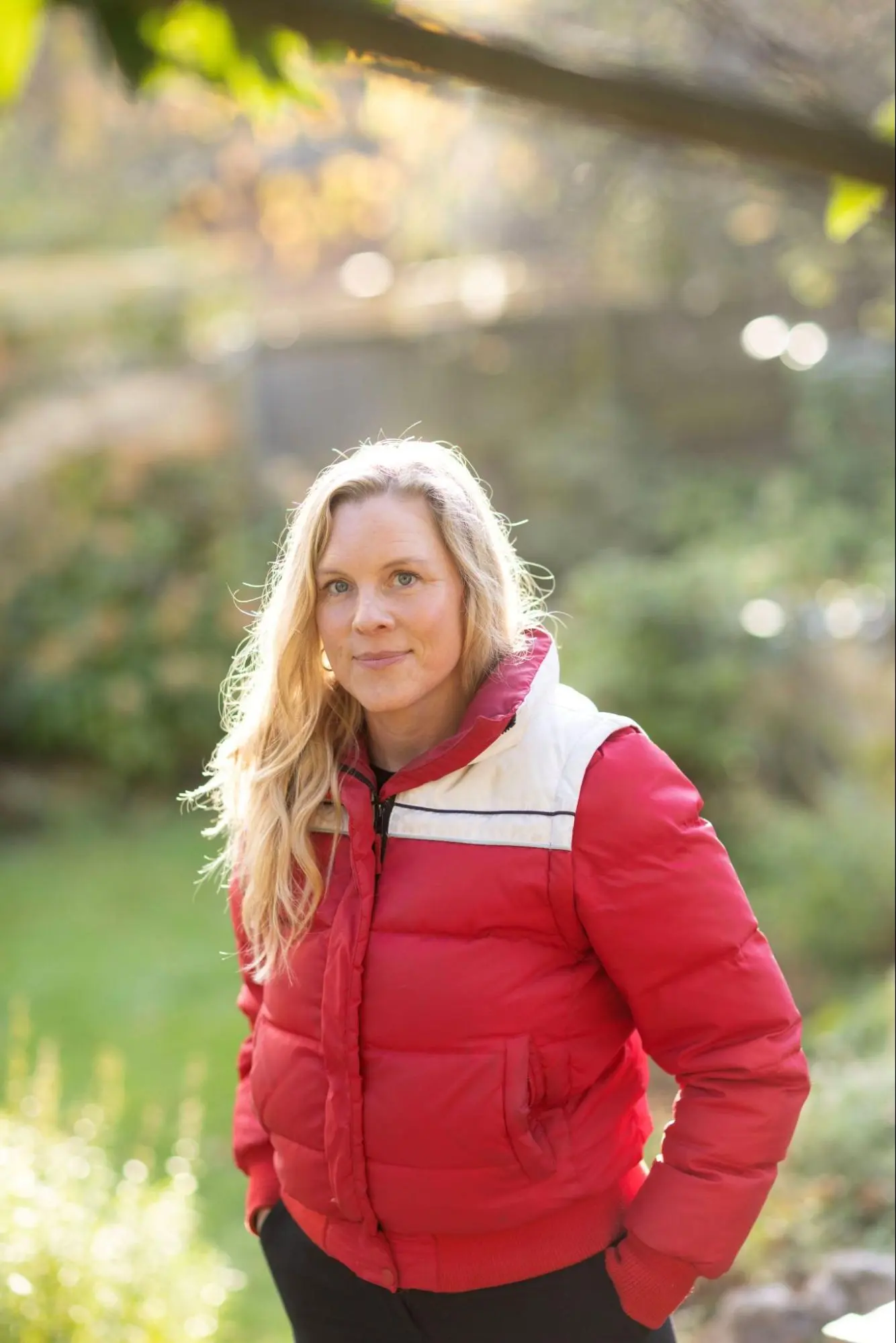
Ruth Brooker, founder of Clean Air for Kids
Where it all started
Ruth's involvement in air quality didn't begin with a professional interest in ventilation systems or public health policy. It began in 2019, when her younger son was going through cancer treatment, just before the pandemic started. With her child undergoing treatment, the question of how to safely send her children back to school during a period when infection was everywhere became urgent in a way most parents never have to face.
“I've got a very vulnerable family, and then a pandemic hits and you go, 'How do we get back to school?' I think in a previous life, I probably would have thought that somebody more capable than me would have taken care of things like school infrastructure and school air.”
As a result of all this, she started teaching herself the basics of indoor air quality, reading anything she could find on the matter, and asking questions of anyone who might know more about it. What she discovered surprised her. The messaging around ventilation and airborne illness at the time didn't match what the emerging science was actually saying, and nobody seemed to be translating that science into something a school or a parent could act on.
Rather than wait for someone else to fix the problem, she decided to start where she had the most influence: her own children's school. As she put it, amid a world full of big problems that felt impossible to control, "the thing I can control is what's going on in my kids' classroom."
CO2 monitors and air filters
Ruth began monitoring CO2 levels in her children's classrooms and talking to teachers about what she found. It quickly became clear that opening windows, while helpful, simply wasn't enough on its own. Many schools in the UK have replaced old sash windows with smaller modern ones that let in far less airflow. She bought a commercial air filter to test in her son's classroom, but looking at it sitting in a massive classroom space, she doubted it was doing much at all.
That doubt sent her looking into the DIY filtration movement, an approach that had already caught on in parts of the US, where a fan and a stack of affordable filters bought from a hardware store can be built into a surprisingly effective air cleaner. While the UK version of this idea existed too, she found that the instructions might be a bit inaccessible for the average parent to follow. So she set out to make her own version, through a video tutorial filmed with her children.
DIY air filters in classrooms and halls
The result was a video that shows just how uncomplicated the whole idea really is: a fan, filter, and some tape to hold everything together. It remains one of the clearest illustrations of Clean Air for Kids' underlying message: that protecting the air children breathe doesn't require a large budget, just the willingness to try.
Pushing for policy change
Improving the air in one classroom was never going to be enough for Ruth. "What about all of the children in the city?" That question pushed her from grassroots problem-solving into policy advocacy.
She founded Clean Air for Kids partly because she wanted the backing of people whose expertise couldn't be waved away. That network now includes aerosol scientists, ventilation specialists, and public health experts who lend their knowledge to the case she's making to schools and government alike.
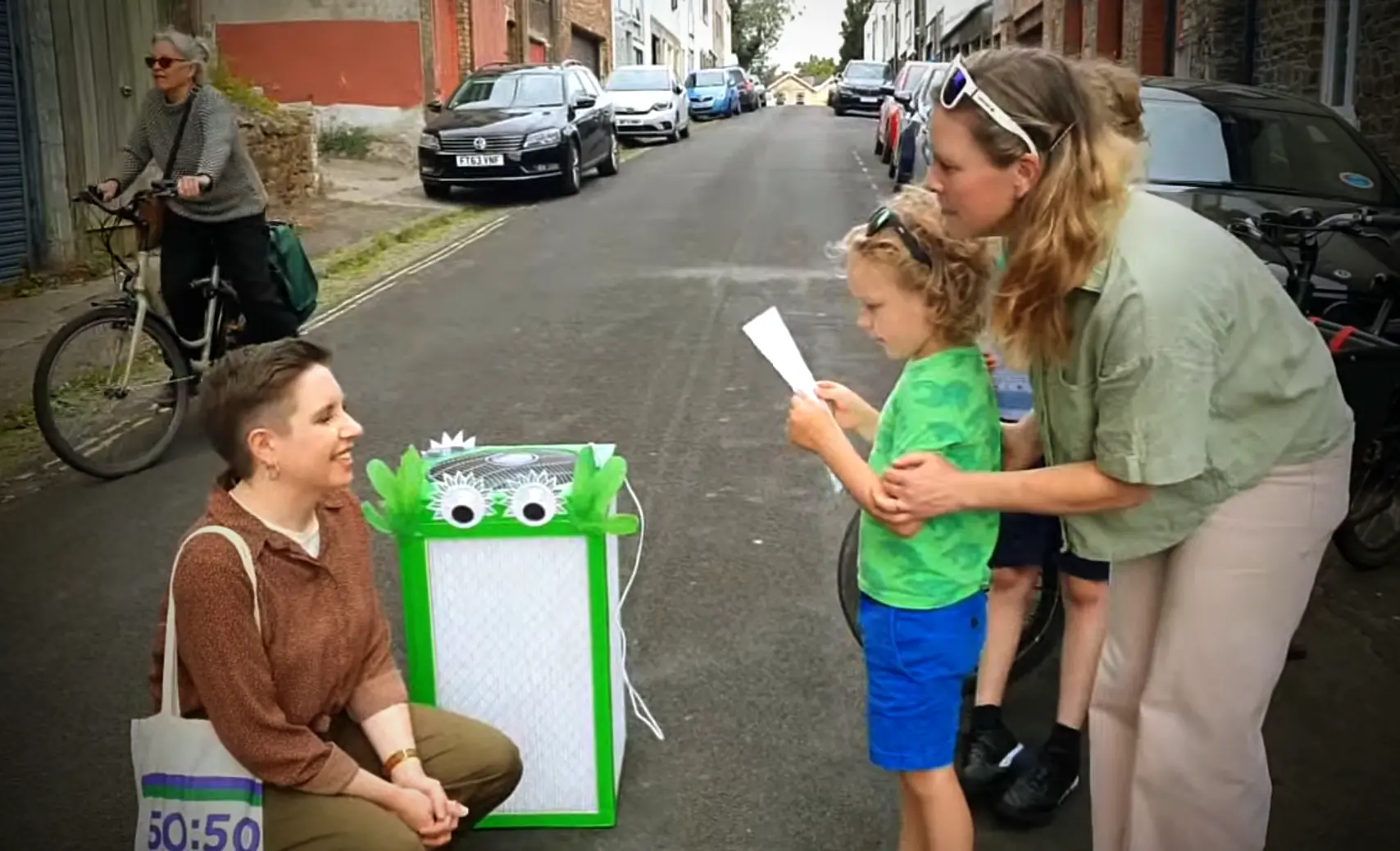
Since its inception, the campaign has grown well beyond Bristol. Ruth is giving other parents and teachers their own page on the Clean Air for Kids website to advocate for change in their own areas, creating a growing network of individuals working towards the same goal.
In Bristol itself, with hours of help from her supporter Michelle, they contacted over 70 city councillors and secured cross-party backing for the initiative. Ruth has also met with her MP Carla Denyer, who has formally written to the labour government asking for backing.
One of their bigger moments came more recently, when Baroness Linforth spoke in support of the cause in the House of Lords. Hearing that argument echoed in the chamber marked a shift she still describes as one of her proudest moments.
"It did feel like we finally got some recognition from those in power that this campaign is a good thing, and that it could be transformative for society."
Ruth has also written to some of England's academy trusts, which can operate somewhat independently of local councils, and has had encouraging meetings with several trust leaders. This kind of change takes time, and she is candid about that. But she remains convinced it's the surest route to lasting, sustainable improvement for schools.
"That's the best route to success – for our government and people in power to take this seriously and to do what is right for kids' health."
Bringing creativity into the conversation
A big part of Clean Air for Kids is Ruth's willingness to reach people who would never otherwise sit through a talk on ventilation science. Much of her time is spent in conversation with scientists, ventilation specialists, and other engaged parents, and as important as those conversations are, she began to notice they were happening within the same circles.
"I feel like we're all talking to ourselves sometimes," she said. "How can I get to those people who are on the street?"
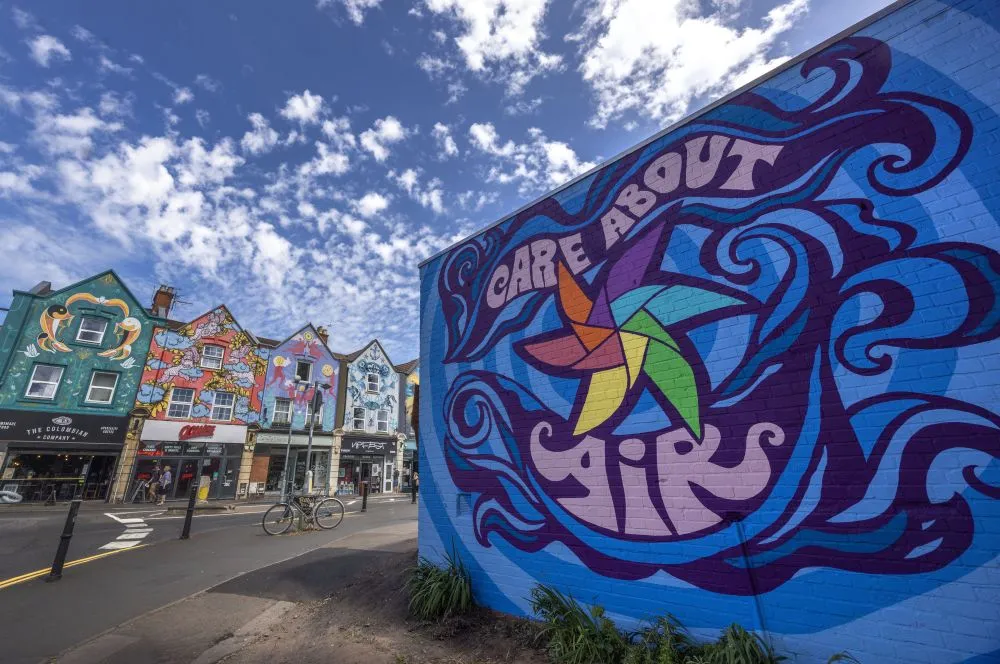
This ultimately led her to tap into more creative approaches. Working with local artist, Erin Hilsdon, Ruth commissioned a street mural in Bristol as part of the city's annual street art festival, a huge event that has drawn as many as 80,000 visitors. The mural has drawn in curious children who stop to ask what it means, giving her small, unplanned openings to talk about clean air with people who would never really give it a thought in the first place.
At the same festival, she ran a workshop where children built pinwheels while she quizzed them on what they already knew about air quality. The idea behind this was to meet people, especially children, exactly where their curiosity already was, and let the conversation grow from there.
“People can't take all of this on at once. They have different things going on in their lives, and sometimes adding another layer of stress or worry is just rejected. We have to take it gently, bit by bit. We can't have huge societal change all at once.”
It's a lesson she's carried into how she thinks about progress generally, as change, in her experience, rarely arrives from the direction you expect.
A wider movement
Ruth's work has also connected her to campaigners well beyond Bristol. Last September, she was invited to New York for the global call for healthy indoor air at the United Nations, an experience she describes as both a privilege and a reminder that progress is always collective.
"I was invited to the UN in New York by Dr Bronwyn King and was lucky enough to meet and spend time with her and Plum Stone whilst there," Ruth said. "I'm so grateful for their tireless advocacy. Bronwyn is an inspiration who, alongside Georgia Lagoudas, worked long hours to bring the Global Pledge for Healthy Indoor Air event to the UN. I am in awe of her drive and commitment to clean air standards."
Meeting advocates working on the same issue from entirely different parts of the world was, for Ruth, a reminder that the fight for healthy indoor air is bigger than any one city or campaign.
Clean Air for Kids is now also a partner in the World Health Assembly (WHA) Resolution project for healthy indoor air, a piece of international policy work connected to the World Health Organization.
What comes next
Speaking with Ruth, what comes through most clearly is a steady, practical hope that adds up to something bigger over time. To support Ruth through this next part of her journey, the Open Air Foundation is donating six air quality monitors to Clean Air for Kids. By donating both outdoor and indoor air quality monitors, we hope to provide a better understanding of the air children in Bristol's schools are breathing.
Clean Air for Kids began with her thinking about how to get her children safely back into a classroom. It has since become an inspiring example of what happens when that question is taken seriously and shared widely, blending science with creativity and persistence.
You can find out more and get involved at cleanairforkids.co.uk