Support for communities turning air quality data into action
We support communities who want to turn air quality data into action. The Open Air Foundation works with community groups and local organisations that want to measure air pollution, share data publicly, and use evidence for education, awareness, and advocacy. A monitor alone does not create cleaner air. Communities need the skills to install it, maintain it, interpret the data, explain what the data means, and use that evidence in local action. Our support is designed around that full path from measurement to action.
PARTNER WITH US
Bring Trusted Air Quality Data to Your Community
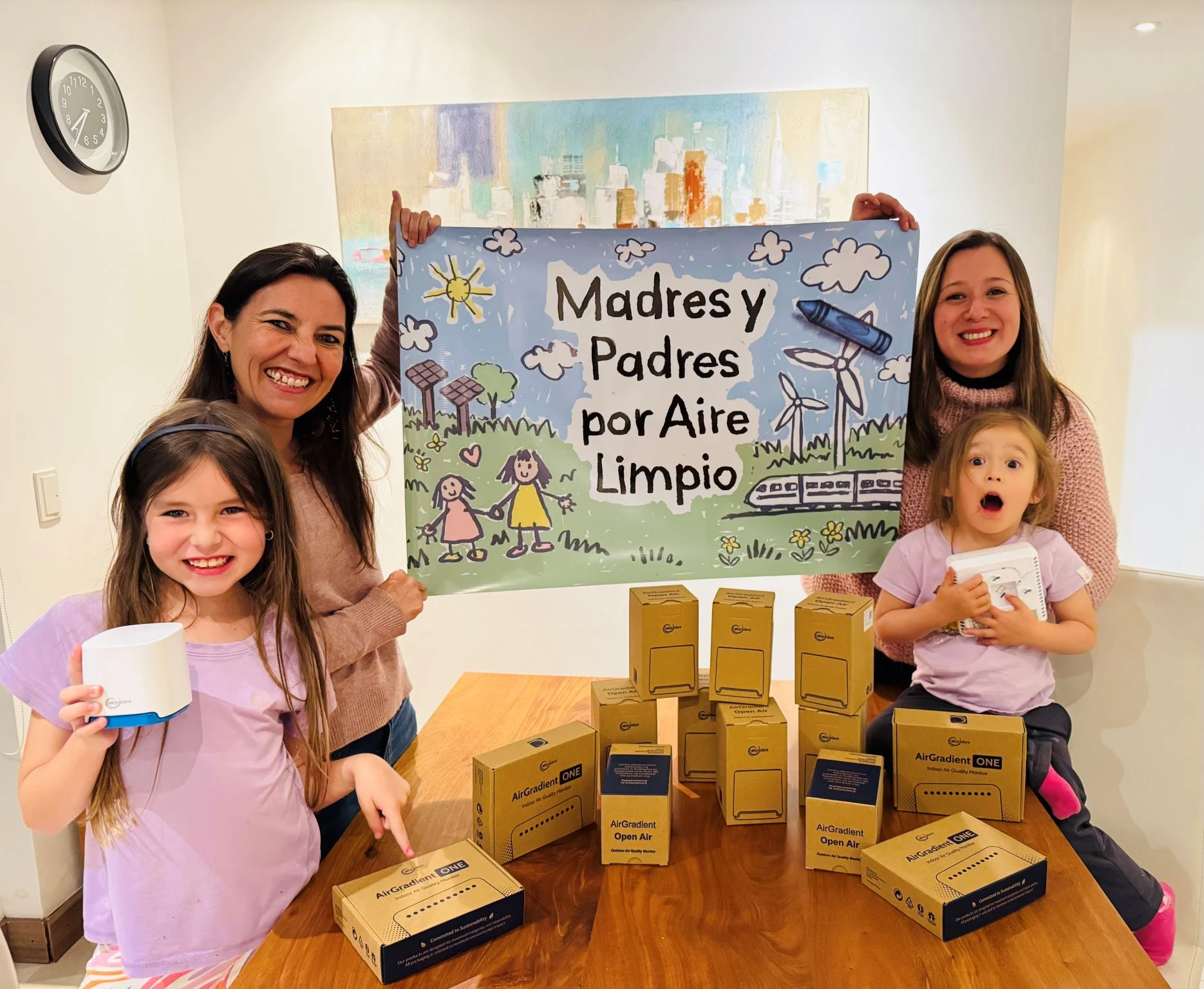
OAF aims to help deploy 5,000 open air quality monitors over the next five years in communities with little or no reliable local air quality data. To make this possible, we are looking for local partners who can turn monitor access into sustained community infrastructure.
Our financial support is currently focused and limited. In most cases, support is designed to cover monitors, shipping, import duties, and modest local deployment costs. The strongest projects are led by communities with volunteer networks, host locations, and local coordination capacity already in place.
We are working to raise additional funding so future support can go further, including community engagement, local events, training, communications, and advocacy. For now, most OAF support is focused on monitors, shipping and import costs, and modest local deployment needs.
What Our Support Looks Like

Air Quality Monitors
We support planning, deployment, and maintenance of open air quality monitors where public data is missing, so local partners can build trusted evidence.

Technical and Data Support
We can help with deployment planning, setup, troubleshooting, maintenance, data interpretation, and visualisation.

Communications and Advocacy Support
We can support education campaigns, awareness work, advocacy activities, and connection to a wider community advocate network.

Deployment Cost Support
Financial support is limited and mainly helps cover shipping, import costs, and small local deployment needs. OAF's role is to unlock deployment, not replace local ownership.
Who This Is For
We want to hear from organisations that are close to the communities affected by air pollution and are ready to use data for public benefit.
We welcome partnerships with any organisations, regardless of their size and experience. From individual citizen scientist groups to research institutions, we are interested in fighting air borne environmental risks together.
Community-based organisations
Local groups working directly with residents affected by air pollution.
Schools and educational institutions
Schools, universities, and education programs that want to use air quality data for learning and protection.
Health and environmental advocates
Groups focused on respiratory health, environmental justice, clean air, climate, or public-interest science.
Youth-led and citizen science groups
Local initiatives ready to collect, understand, and communicate air quality evidence.
What we expect from partners

Public data sharing
A commitment to sharing data publicly where possible, so local evidence can benefit the wider community.
Local ownership
Willingness to maintain monitors, participate in training, and involve the community in the project.
Volunteer hosting network
A practical plan for where monitors will be hosted, who will look after them, and how volunteers or local institutions will keep the network running.
Local deployment capacity
Ability to support installation, basic maintenance, community communication, and coordination beyond the limited financial support OAF can provide.
Action-oriented use
Interest in using data for public education, health protection, awareness, advocacy, or policy engagement.
Clear project goals
Clear communication about the local problem, expected community impact, and the support needed.
Register Interest
Tell us about your organization, location, local air quality issue, and how you hope to use monitoring data