What We Do
Biosafety and Airborne Hazards
Affordable approaches to airborne protection connect air quality expertise with preparedness through development and testing.
Funded research · $2m from Coefficient Giving
Developing affordable ways to detect and protect.
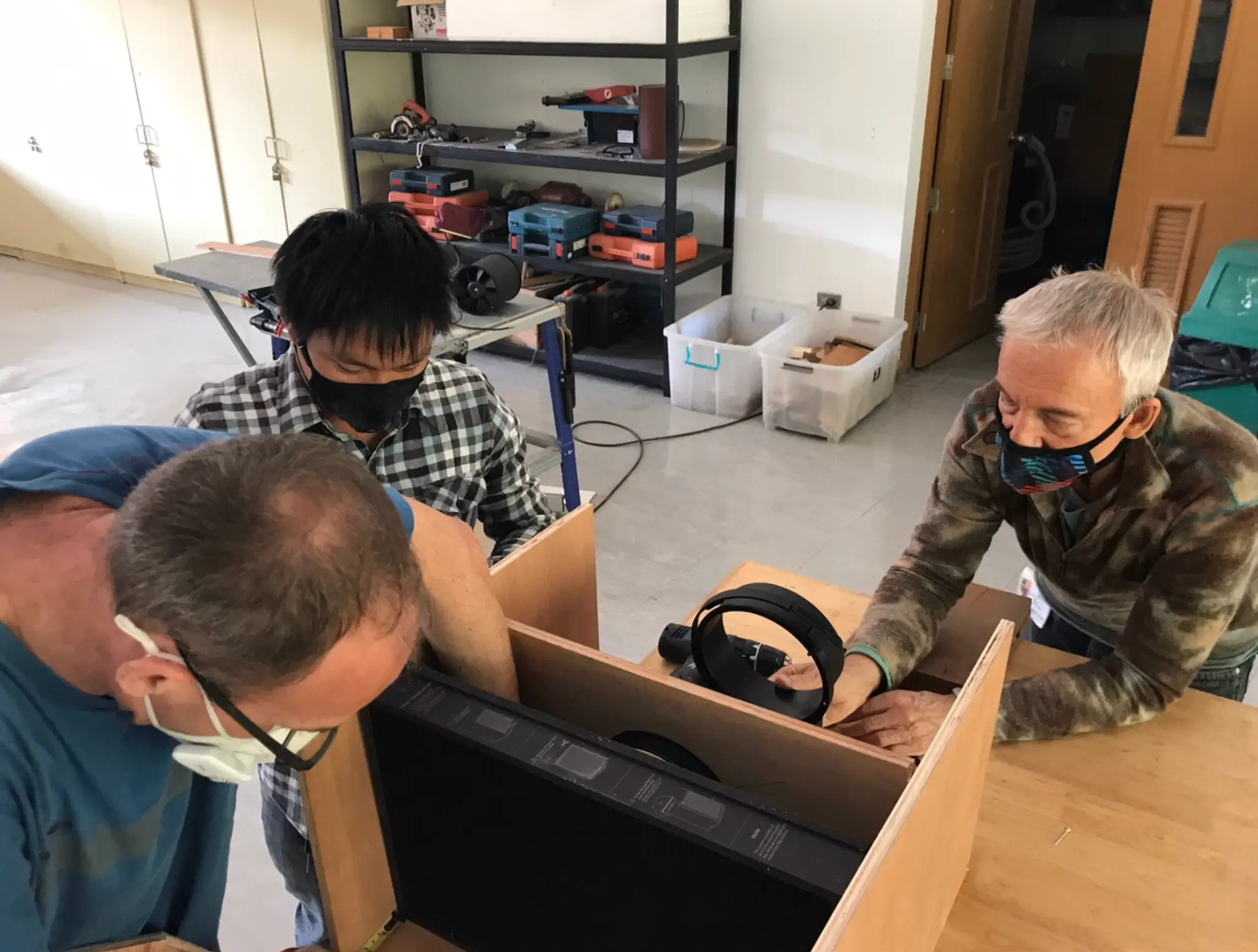
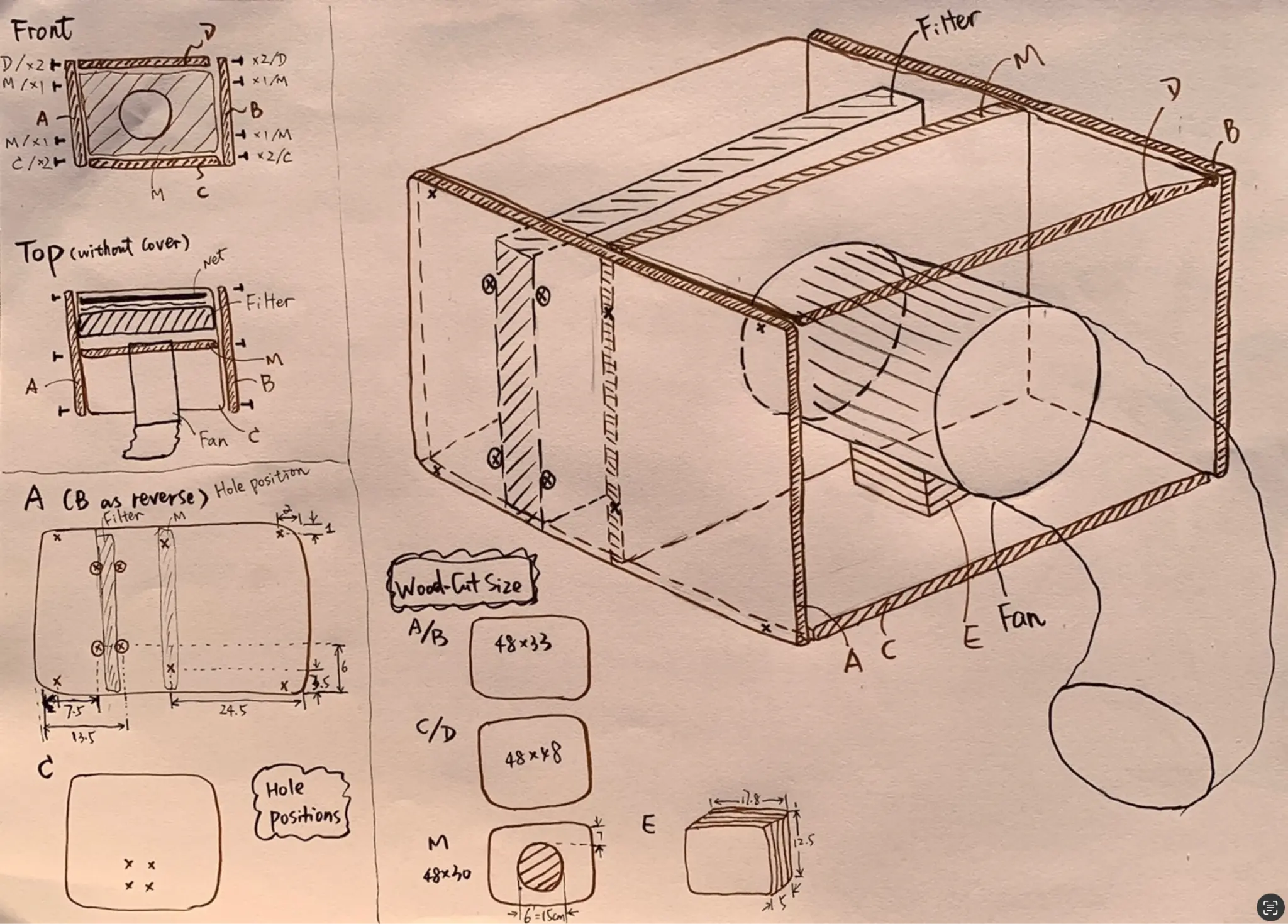
This research project develops affordable building protection against outdoor aerosols and sensors to help understand airborne exposure. It builds on experience in open-source engineering and air quality monitoring.
The grant supports research and development. Prototypes need evaluation before their effectiveness and suitability for wider use can be established.
From prototype to practical use
Develop, test, and share what works.
Air quality monitoring and biosafety share practical needs: understanding airborne risks, improving indoor conditions, and making protection more accessible.
Develop accessible methods
Apply experience in open hardware, monitoring, filtration, and ventilation to approaches that others can inspect and adapt.
Test performance and limitations
Evaluate prototypes and methods before making claims about their protection. Testing needs to establish where an approach is useful and where further development is needed.
Share evidence and practical guidance
Publish lessons as the research progresses and connect technical findings with guidance that partners can use.
Follow research updates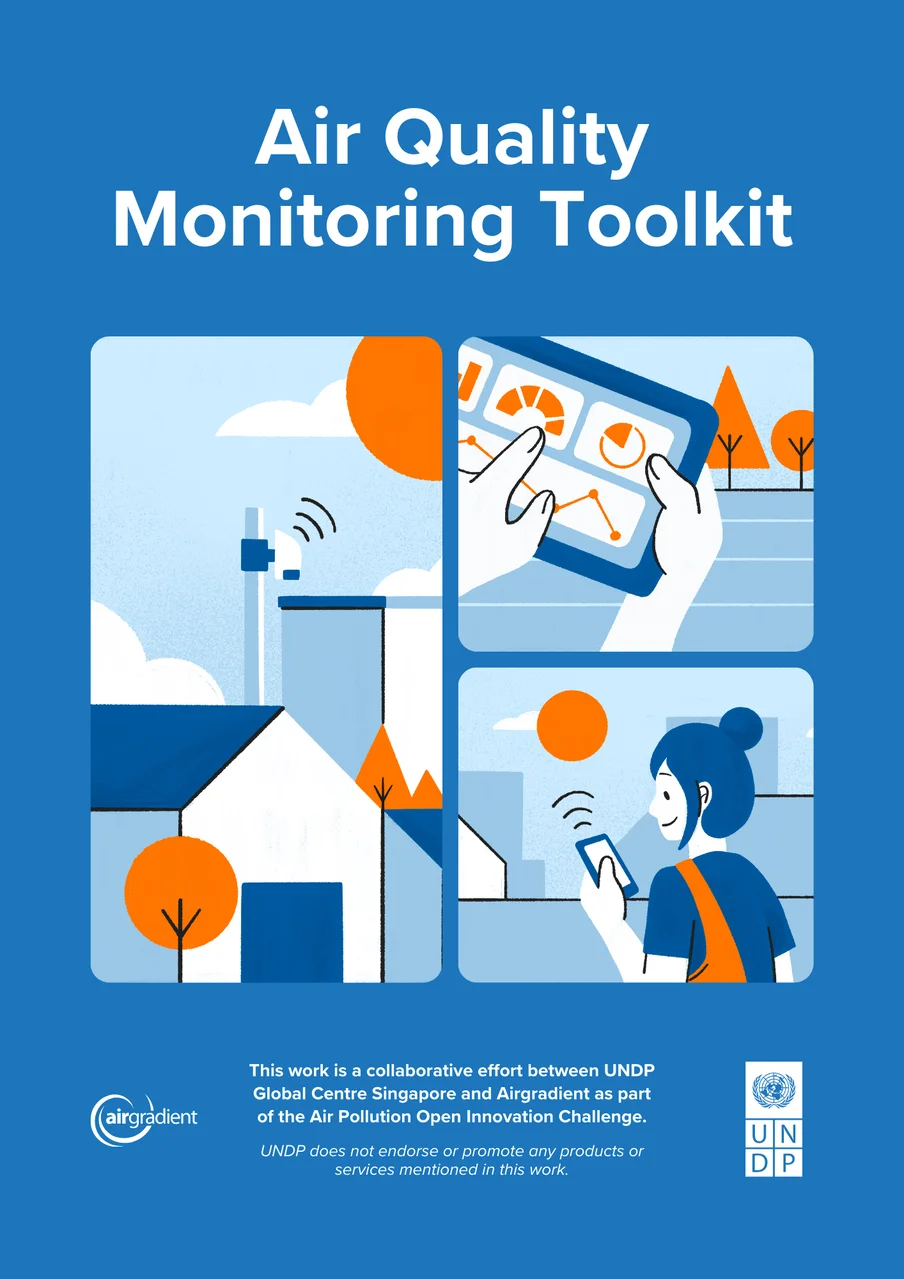
In development · One Air Toolkit
Connecting indoor and outdoor air.
The One Air Toolkit will extend existing guidance to bring indoor and outdoor air quality knowledge together for schools, households, and public institutions.
The existing monitoring toolkit is available now; the wider One Air guidance is in development.
Take the next step
Collaborate on practical airborne protection
Discuss research, implementation, or support for work beyond the current funded scope.